
Coronary Catheterization
Coronary Catheterization is a diagnostic heart procedure used to examine how well the heart is functioning and to detect blockages or abnormalities in the coronary arteries. It helps cardiologists accurately assess blood flow to the heart and plan the most effective treatment. This procedure is often performed as part of cardiac catheterization and may lead to further treatment such as angioplasty or stent placement if required.
Why Is Coronary Catheterization Done?
Coronary catheterization is recommended to:
-
Diagnose coronary artery disease (CAD)
-
Evaluate chest pain or unexplained shortness of breath
-
Assess heart valve or heart muscle function
-
Check blood flow after a heart attack
-
Guide treatment decisions before angioplasty or bypass surgery
How Is Coronary Catheterization Performed?
-
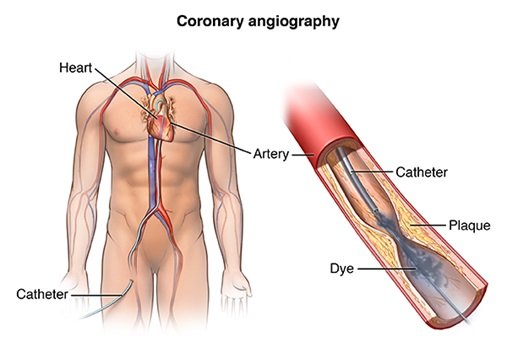
A thin, flexible tube (catheter) is inserted through an artery in the wrist or groin
-
The catheter is carefully guided to the heart
-
A contrast dye is injected to make coronary arteries visible on X-ray
-
Images are taken to identify blockages, narrowing, or abnormalities